
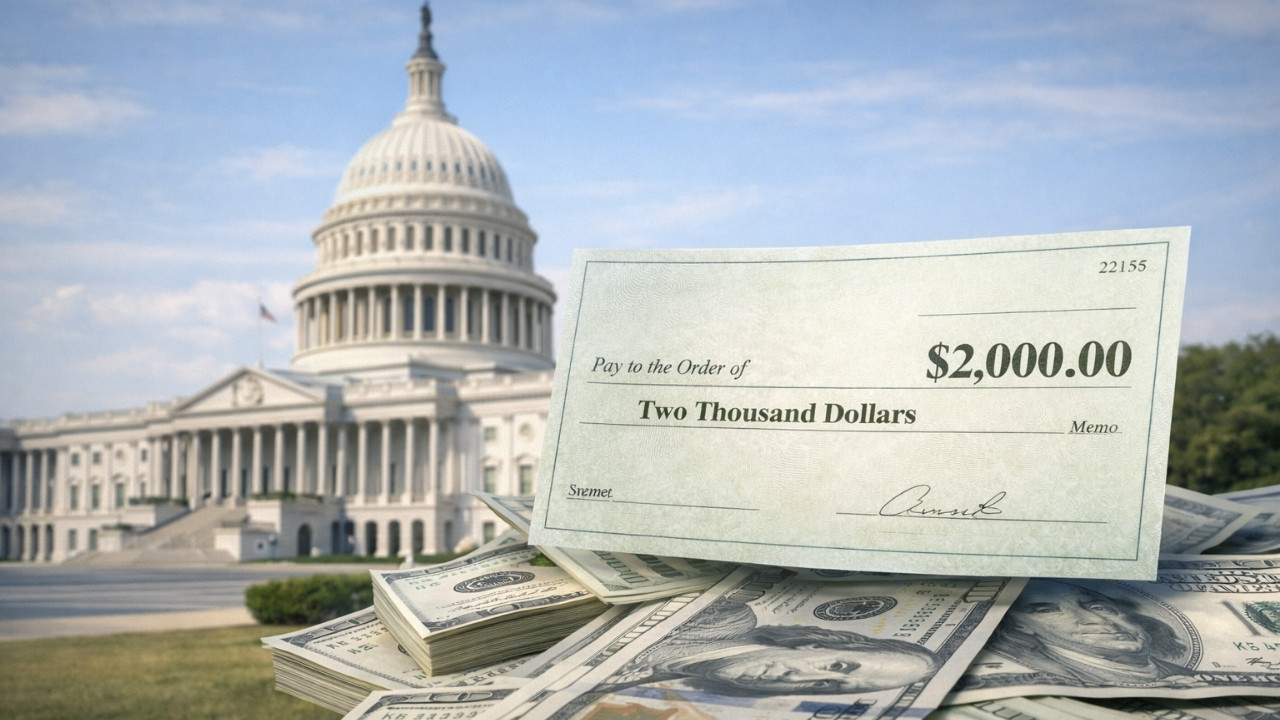
The White House recently clarified that the proposal to send Americans $2,000 tariff-funded rebate checks will not happen automatically. Instead, it will rely heavily on approval from Congress before any money can be sent out.
This issue emerged as economic advisers discuss how funds collected from higher tariffs on imported goods could be used as a direct benefit to American households next year. The plan is part of the broader economic agenda of the current administration.

Top officials have emphasized that while the idea is under serious consideration, legislative approval is important before the plan can move forward. This gives Congress the final decision-making power over whether the payments will become reality.
Table of Contents
Overview of the Tariff Checks Proposal
The idea of providing $2,000 checks to Americans comes from revenue collected through newly imposed tariffs on imports. These tariffs have generated significant funds, and the White House suggests that a portion of that money could be given back to eligible individuals.
Tariff revenue is money the government collects when foreign goods enter the U.S. market. President Trump’s administration argues that this revenue could support a one-time payment to citizens as a form of economic stimulus or dividend.

However, this concept is not yet law. The administration needs Congress to pass legislation that would authorize the payments and determine how they would be distributed.
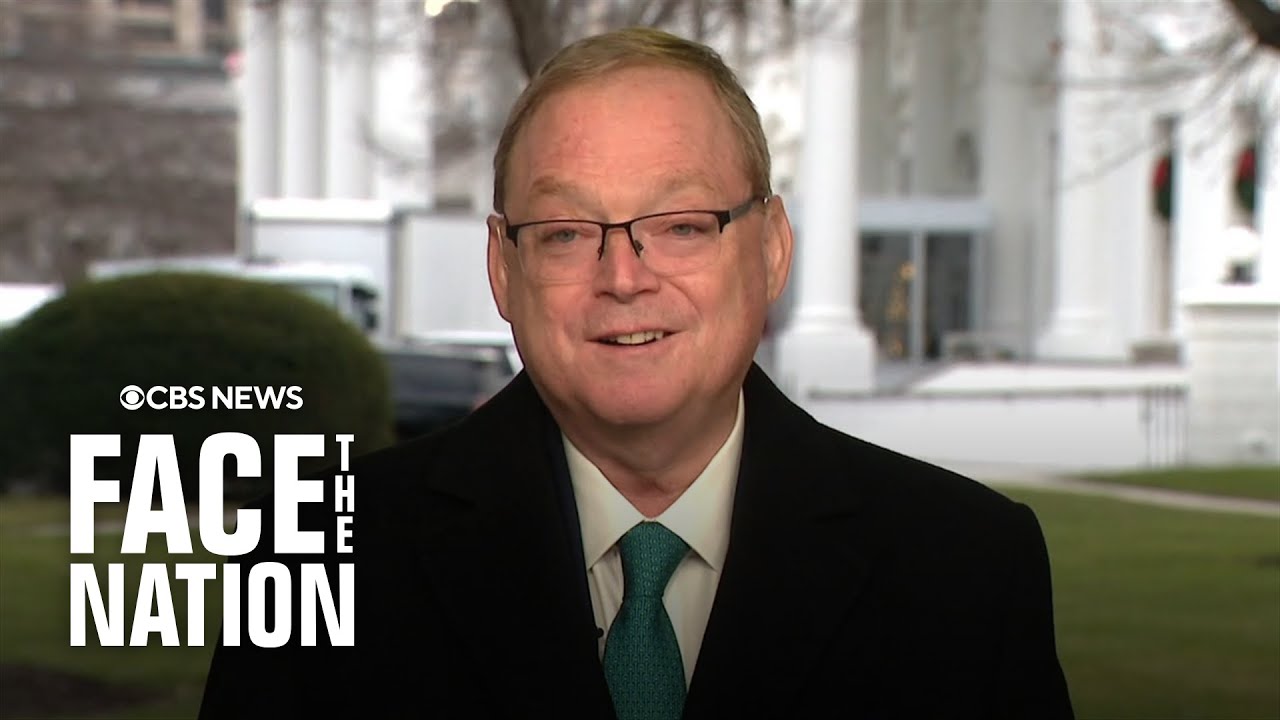
Top White House economic adviser Kevin Hassett said that President Trump’s idea to give Americans $2,000 checks funded by tariff revenue will “depend on what happens with Congress.”
“In the summer, I wasn’t so sure that there was space for a check like that,” Hassett said. “But… pic.twitter.com/ouHtsOTfZ5
— Face The Nation (@FaceTheNation) December 21, 2025

Comments from the White House Economic Adviser
Kevin Hassett, Director of the White House National Economic Council, spoke about the tariff check plan during an interview on network television. He explained that the proposal is still in the early stages and depends on how Congress responds in the new year.
Hassett said that President Trump is expected to formally present the idea to lawmakers once the next session begins. If Congress agrees, it could develop legislation outlining the details of who qualifies and how the checks would be issued.
He also noted that certain improvements in the economy and recent federal budget trends have made it more feasible to consider such a payout. Still, legislative approval is mandatory before any funds can be released.
Role of Congress in Approving the Plan
Congress plays the critical role of deciding how federal money is spent. Even if tariff revenue exists, lawmakers must pass a law authorizing the government to use that revenue for rebate checks.
This means lawmakers in both the House and Senate would need to agree on the structure of the payment plan. They would also have to resolve questions about eligibility, funding limits, and distribution methods.
Without congressional approval, the White House cannot distribute the proposed $2,000 rebates, even if the administration supports the idea.
Who Might Receive the Payments
Although details are still being debated, administration officials have suggested that the tariff checks might target households below a specific income threshold, rather than every American. One of the proposals discussed would limit payments to people earning below $100,000 per year, though this is not yet official.
Lawmakers will play a key role in shaping these criteria if the plan moves forward. They will consider income eligibility, household size, and other factors to determine who qualifies.
At this stage, no definitive list of recipients has been set, and final decisions will be part of any legislation passed by Congress.
Economic and Policy Considerations
Using tariff revenue for direct payments to citizens is unusual and has generated discussion among economists and policymakers. Some argue it could provide short-term financial relief to households and help maintain consumer spending.
Others caution that such checks might have complex implications, including effects on inflation, federal budgets, and trade policy. Lawmakers are expected to weigh these factors carefully as they evaluate the proposal.
In addition, courts are still considering legal challenges over the administration’s tariff authority, which could influence how and whether tariff funds can be used in this way.
Next Steps in the Legislative Process
The President is expected to formally propose the tariff check plan to Congress early next year. After that, lawmakers could draft and debate legislation that outlines the exact terms.
Committees in both chambers will review the proposal and may hold hearings to question economic advisers and government officials. Only after both the House and Senate pass a bill and the President signs it would the $2,000 checks become law.
Until that happens, the idea remains a proposal and not an implemented policy. Congress’s response will determine if Americans receive the tariff-funded payments.