
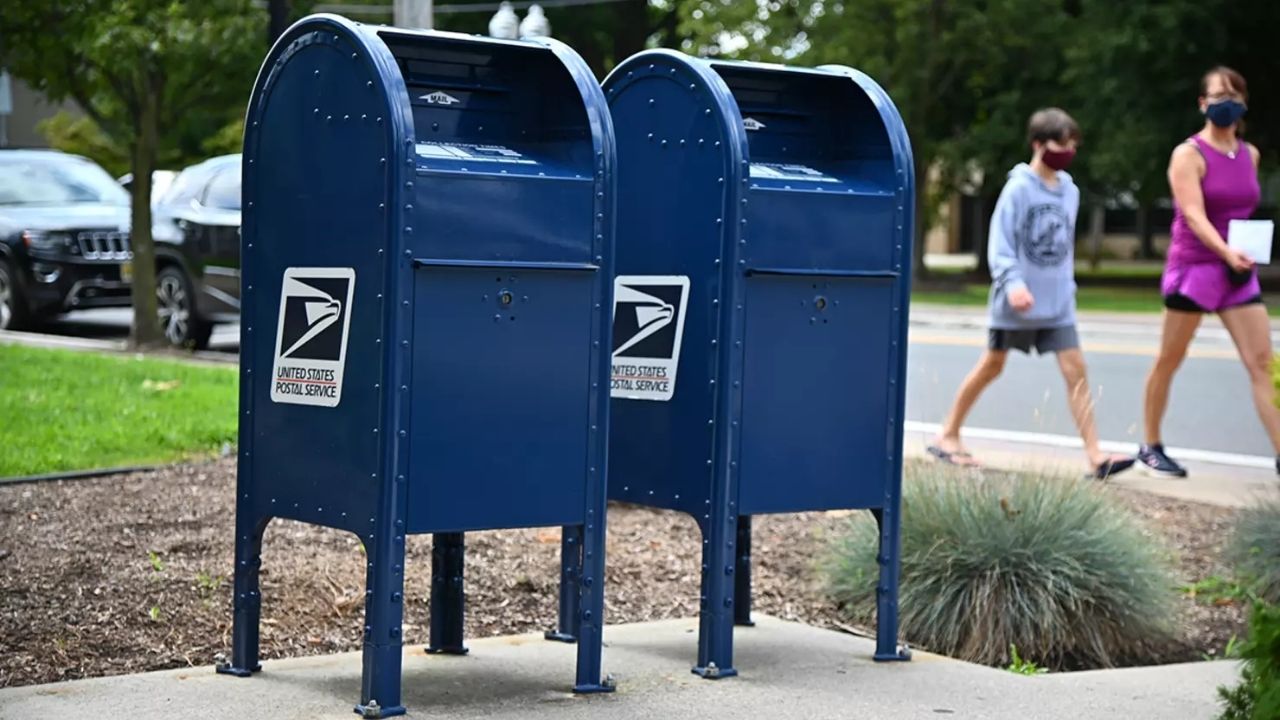
The blue USPS collection boxes have been part of American daily life for many decades. They offered a simple way for people to send letters, bills, and documents without going to a post office. These boxes became a symbol of reliability and convenience on thousands of street corners.
Recently, many communities have noticed that these boxes are being removed or relocated. Some residents have woken up to find removal notices attached to their local boxes, while others have discovered long-used boxes suddenly gone. These changes have raised questions about why they are disappearing and what it means for daily mail use.

USPS officials confirm that removals are connected to lower mail volume, safety concerns, and operational planning. As more services move online and digital communication grows, the role of outdoor mail collection is changing in many parts of the country.
Table of Contents
History of the Blue Mailboxes
The blue collection box has been part of the American postal system for more than a century. Before the national color standard, earlier boxes were painted green, white, or red. The move to blue helped create a uniform and easily recognized design for mail deposits nationwide.
USPS reports that around 124,000 blue collection boxes remain active as of mid-2025. The total number has steadily declined over the years as fewer people send traditional letters. With more Americans choosing email, online banking, and electronic billing, the amount of mail collected from these boxes has reduced sharply.

These boxes once filled quickly during daily collection rounds, but many now sit almost empty for long periods. When a box receives very few items over several months, USPS reviews the location and considers removal to reduce unnecessary operational costs.
Why USPS Is Removing These Boxes
The main reason behind the removals is the drop in first-class mail volume. Postal trucks must visit each collection box regularly, even if it only holds one or two letters. This makes certain routes inefficient. Removing underused boxes helps reduce fuel and staff costs and allows USPS to focus on areas with higher demand.
Another factor is the increase in mail theft. In some cities, thieves have targeted outdoor boxes using tools to pull out deposited mail, a method known as “mailbox fishing.” In Richmond, Virginia, the city prosecutor confirmed that multiple outdoor boxes had been tampered with and labeled them unsafe for secure mail. These safety problems encouraged USPS to remove boxes from areas with repeated theft reports.

Operational efficiency also plays a major role. Since USPS operates without taxpayer funding, every expense directly affects service quality. Removing low-usage boxes reduces maintenance costs and allows the agency to reorganize routes. This process supports a more secure and reliable mail collection network.
Where Box Removals Are Happening?
In Hawai‘i, the removals have received wide attention after several boxes across O‘ahu were taken down. Communities in Kapāhulu, Mapunapuna, and Foster Village reported seeing notices on their long-standing boxes. USPS stated that these specific removals were based on low usage levels and route adjustments to improve efficiency.
Mainland states are seeing similar changes. In parts of Indiana, boxes have been wrapped or removed after theft incidents where checks and documents went missing. When a box becomes a repeated target for criminals, USPS may relocate or eliminate it to protect customers from further losses. This approach helps reduce risks in neighborhoods that experience higher criminal activity.
Although thousands of blue boxes still remain nationwide, removals occur whenever local usage data and security reports support the decision. There is no universal list of boxes being removed, and each region makes changes independently based on monthly performance reviews.
How Fewer Mailboxes Affect Daily Life?
Many residents face inconvenience when their closest blue mailbox is removed. People who mail bills, forms, and personal letters often depend on nearby drop-boxes because they are quick and easy to use. Older adults, who prefer shorter travel distances, are affected the most.
Mail-in voting can also be impacted. States that rely on voting by mail depend on secure and accessible drop-off points. With fewer boxes, voters may need to travel farther or mail their ballots earlier to ensure timely delivery.
Small businesses feel the change too. Many send daily invoices or documents and rely on easy drop-offs. Without a nearby box, they may need to visit post offices more often, which can slow down their routine.
Main effects of fewer mailboxes:
- Residents must travel farther to send important mail.
- Voters may need extra time to mail ballots.
- Businesses adjust mailing schedules or visit post offices more often.
How Americans Can Adjust?
Ways for Residents to Adapt to Fewer USPS Mailboxes
- Use USPS website tools or call your local post office to find updated drop-box locations and indoor mail slots.
- For important mail like checks, payments, legal papers, or ballots, choose indoor drop-offs that reduce theft risk.
- If a notice appears on a mailbox in your area, call the number listed to ask questions or share feedback.
- Plan slightly more time for mailing tasks, especially if your nearest box is now farther away or located inside a postal building.
What This Means for USPS and the Public
The shift in mailbox locations reflects the larger trend of Americans moving toward digital communication. As fewer letters are sent each year, USPS is reorganizing its physical network to match current mailing needs. Boxes that continue to receive steady mail are more likely to remain, while low-usage areas will see reductions.
Communities may increasingly rely on indoor postal slots, retail partners, and monitored mailrooms. These alternatives offer better safety and easier supervision, reducing the chances of theft. Over time, this approach helps USPS maintain security standards while adjusting to modern mailing behavior.
Although the number of blue boxes may decrease, access to mail services continues nationwide. USPS is shifting from widespread outdoor collection to a more focused and secure system. Residents who depend on physical mail may need to adjust their routines, but available service points remain active in every state.