
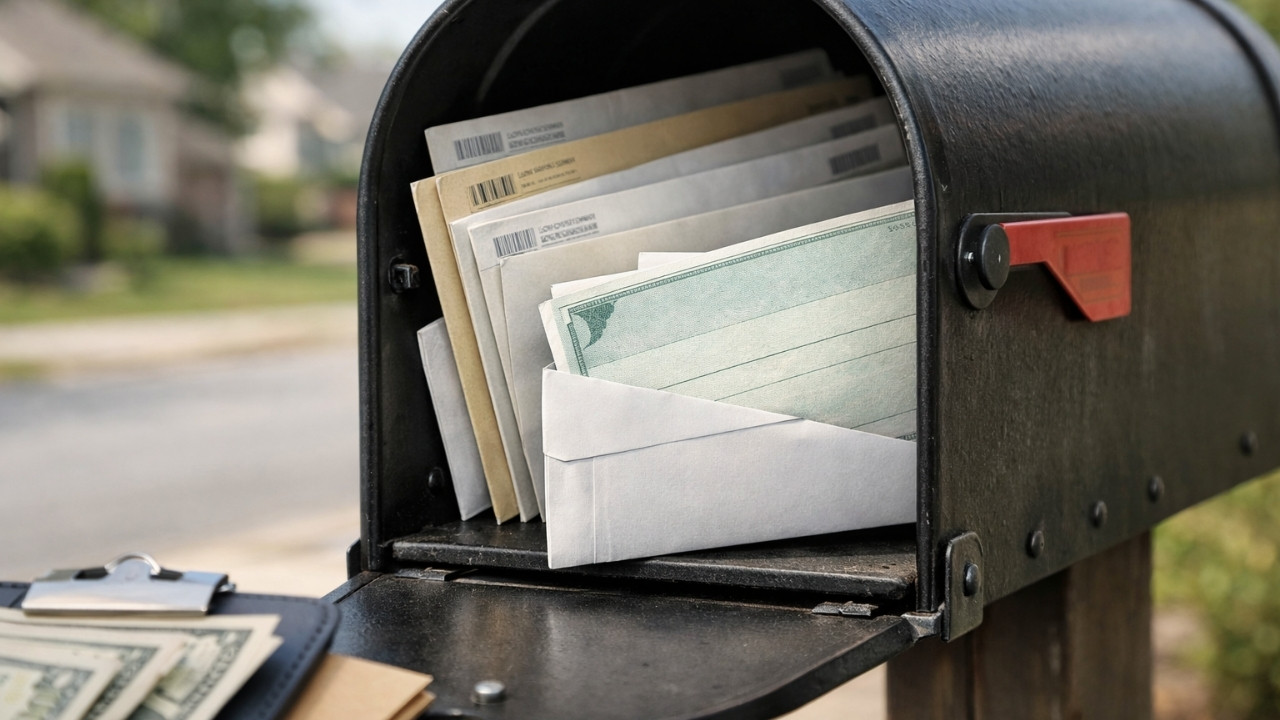
Thousands of Americans may soon receive unexpected money through the mail. Nearly 100,000 residents in Pennsylvania are being sent checks as part of a state-led effort to return unclaimed funds to their rightful owners. Many recipients may not even realize the money belongs to them.
The payments are being issued automatically through a program designed to simplify how unclaimed property is returned. Instead of requiring individuals to file claims, the state uses official records to identify eligible residents and mails checks directly to them.

This latest round of payments represents one of the largest automatic unclaimed property distributions in the state’s history. Officials have confirmed that the checks are already being processed and delivered to households across Pennsylvania.
Table of Contents
What the Money Match Program Is
The Money Match program is an initiative run by the Pennsylvania Treasury to return unclaimed property without requiring residents to submit paperwork. Traditionally, individuals had to search for unclaimed funds and file claims themselves. This program removes that step for certain eligible cases.
The system works by matching unclaimed property records with verified state data, such as tax and motor vehicle records. When a strong match is found, the Treasury sends the money automatically to the owner’s last known address.

This program was launched to reduce the large volume of unclaimed funds held by the state. Pennsylvania holds billions of dollars in unclaimed property, much of it belonging to people who have moved, changed banks, or never realized money was owed to them.
Check your mailbox! Nearly 100,000 Money Match checks were mailed out this week just in time for the holidays, totaling more than $22 million!
Learn more: https://t.co/7s3iRO8hjQ pic.twitter.com/QQW3fvpVBa
— PA Treasurer Stacy Garrity (@PATreasurer) December 19, 2025

Why These Checks Are Being Sent Now
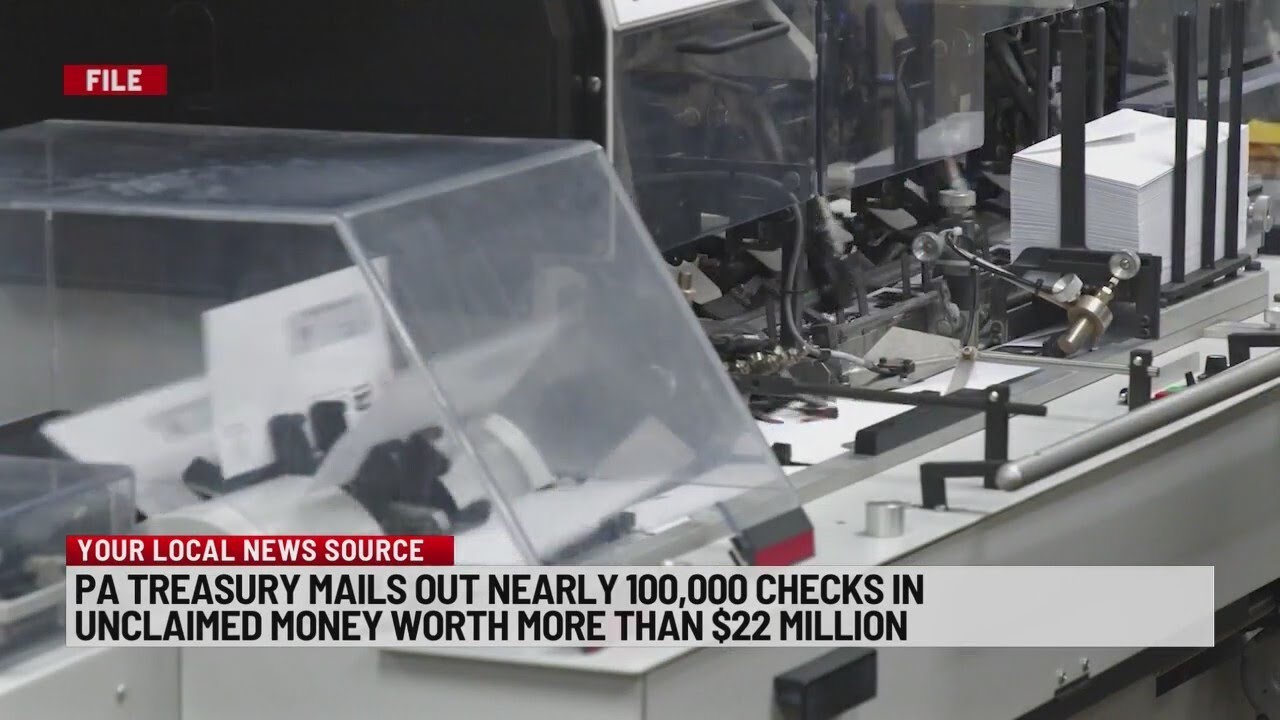
The current mailing campaign is part of a scheduled expansion of the Money Match program. State officials reviewed unclaimed property records and identified nearly 100,000 individuals who met the eligibility requirements for automatic payment.
In this distribution alone, more than $22 million is being returned to residents. Since the program began, over $50 million has been sent back to Pennsylvanians without requiring them to file claims.
Officials have stated that returning money directly helps ensure funds reach people faster and reduces administrative delays. It also helps prevent smaller unclaimed amounts from remaining untouched for years.
Who Is Eligible to Receive a Check
Eligibility for automatic checks under the Money Match program is limited to specific situations. The Treasury only issues checks when ownership can be clearly verified using state records.
To qualify under the current system, the unclaimed property must meet all of the following conditions:
- The amount is $500 or less
- The property belongs to one individual
- Ownership and mailing address can be confidently matched
If these conditions are not met, the money is still held by the state but must be claimed through the standard unclaimed property process.
Types of Unclaimed Money Being Returned
Unclaimed property can come from many everyday financial activities. In most cases, the funds are not lost due to wrongdoing but because of outdated contact information or forgotten accounts.
Common sources of unclaimed money include uncashed checks, dormant bank accounts, insurance proceeds, utility deposits, and refunds. These funds are transferred to the state after there has been no contact with the owner for a required period.
The Pennsylvania Treasury safeguards this property until it can be returned. The Money Match program focuses mainly on smaller amounts that can be safely and accurately returned without additional documentation.
What Recipients Should Do After Receiving the Check
Residents who receive a Money Match check are advised to deposit or cash it promptly. The check represents money that legally belongs to the recipient and does not need to be repaid.
The Treasury has clarified that these checks are not loans, benefits, or taxable income programs. They are simply the return of personal funds that were previously unclaimed.
Receiving a check does not mean a person has no other unclaimed property. Individuals may still have additional funds that require manual claims, especially if the amounts are larger or involve multiple owners.
What If Someone Does Not Receive a Check
Not receiving a check does not mean a person is not owed money. Many unclaimed properties do not qualify for automatic return and must be claimed directly by the owner.
Higher-value assets, business-related property, estates, or jointly owned funds require formal claims and supporting documents. These claims are reviewed individually to ensure funds are returned correctly.
The Treasury encourages residents to regularly check for unclaimed property, especially if they have changed jobs, moved, or closed financial accounts in the past.
Broader Impact of the Program
The Money Match program has significantly increased the amount of unclaimed money returned to residents. By removing paperwork barriers, the state has been able to reach people who may never have filed a claim on their own.
Officials have confirmed that additional Money Match rounds are expected in the future. As records are updated and matching systems improve, more residents may receive automatic payments.
Despite this progress, billions of dollars in unclaimed property remain held by the state. Ongoing outreach and improved data matching are expected to continue reducing that total over time.